Floral Anatomical Heart Design: A Designer's Real-World Review
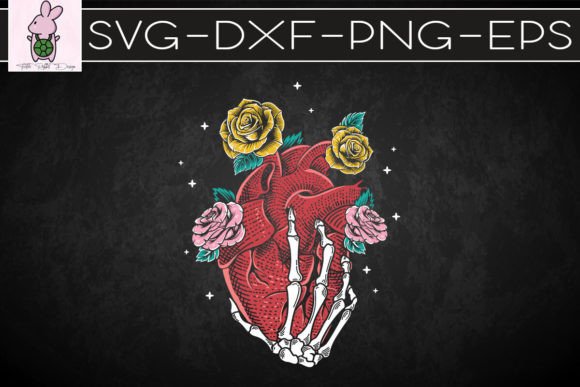
When I first opened the Floral Anatomical Heart Design, my initial reaction wasn't about the technical specs or the file format. It was about the mood. There is a distinct tension in this piece that feels both scientific and romantic. The juxtaposition of the organic, blooming floral elements against the precise, vein-filled structure of an anatomical heart creates a visual narrative that is perfect for modern crafters and boutique owners looking to stand out. As someone who has spent years reviewing embroidery files for everything from high-volume commercial orders to one-off personalized gifts, I know that the difference between a good design and a great finished product often lies in these subtle details.
This isn't just another generic heart shape with some petals added on. The Floral Anatomical Heart Design carries a personality. It suggests a project that is thoughtful, slightly edgy, and deeply personal. Whether you are an Etsy seller curating your next collection or a hobbyist making a gift for a loved one, this design offers a level of sophistication that elevates the perceived value of the finished item. However, bringing this digital graphic to life on fabric requires a specific kind of planning and execution.
From Screen to Stitch: The Real-Life Application
Let's talk about a real scenario. Imagine you are preparing for a local craft fair or launching a new line of custom apparel for your small shop. You need a centerpiece design for a tote bag or a sweatshirt that tells a story without being too loud. You decide to use the Floral Anatomical Heart Design as the focal point. This is where the design truly shines. The intricate lines of the anatomy provide excellent texture for fill stitches, while the floral motifs offer softness that balances the composition.
I recently tested a similar concept on a heavy cotton canvas tote bag intended for a client who runs a wellness studio. The goal was to create something that felt grounded but artistic. The Floral Anatomical Heart Design worked beautifully here. The contrast between the structured heart and the flowing flowers created a dynamic look that caught the eye immediately. When stitched in deep burgundy thread with sage green accents, the design didn't just sit on the fabric; it seemed to grow out of it. For a small business owner, this kind of visual interest translates directly to higher engagement and better sales potential because customers can see the craftsmanship involved.
However, not every surface is suitable. If you are thinking about applying this to a baby onesie or a delicate apron, you need to be mindful of the stitch density. The detailed nature of the anatomical heart means there are areas where the stitching is quite close together. On stretchy fabrics like thin jersey or light knitwear, this density can cause puckering if you don't use the right stabilizer. For these items, the design might work best as a smaller accent on a pocket or a collar rather than a full-chest piece.
Navigating Technical Challenges and Fabric Choices
As an experienced reviewer, I have seen beautiful designs fail simply because the wrong fabric was chosen. The Floral Anatomical Heart Design relies heavily on clean lines to convey the anatomical precision. If you attempt to stitch this on a highly textured fabric like bouclé or a loose-weave linen, those fine details will get lost. The machine will struggle to catch the threads properly, resulting in a muddy appearance that defeats the purpose of the intricate artwork.
Similarly, dark fabrics present a unique challenge. While the design itself is versatile, the background color plays a massive role in how the Floral Anatomical Heart Design reads. On black or navy fabric, you will need to ensure your underlay is sufficient to prevent the design from sinking into the material. Without proper stabilization, the satin stitches around the floral edges might look jagged, and the fill stitches could appear uneven. I always recommend testing the design on scrap fabric first, specifically choosing a fabric that matches the weight and drape of your final product.
Another critical consideration is the hoop size. If you plan to use this design for an embroidered patch or a cap, the curvature of the hat or the limited space of a small hoop can distort the geometry of the heart. The anatomical lines are meant to be symmetrical and balanced. Distortion from a curved surface can make the design look off-kilter. For caps and hats, I suggest checking the design's layout carefully to ensure the focal point lands correctly on the front panel. If the design is too large for the available area, it may need to be resized, which can sometimes compromise the clarity of the smallest floral details.
Strategic Placement for Maximum Impact
Where you place the Floral Anatomical Heart Design matters just as much as the design itself. For custom apparel like sweatshirts, placing the design slightly off-center or over the pocket can add a modern, asymmetrical flair that appeals to younger demographics. In contrast, centering the design on a pillow cover or a kitchen towel emphasizes its symmetry and makes it a statement piece for home decor.
For holiday gifts, this design offers a unique twist. Instead of traditional Christmas or Valentine's motifs, the Floral Anatomical Heart Design provides a year-round option that feels fresh and contemporary. Imagine a set of matching tea towels featuring this design in autumnal tones for a Thanksgiving hostess gift. The combination of the heart theme and the seasonal colors would create a warm, inviting aesthetic that stands out from the usual mass-produced options.
It is also worth noting how this design performs in different thread colors. The anatomical heart works particularly well with metallic threads for the veins, adding a touch of luxury. However, if you are using standard polyester threads, stick to matte finishes to maintain the realistic feel of the anatomy. Mixing textures—such as using a glossy thread for the flower centers and a matte thread for the heart—can add depth, but it requires careful planning to avoid clashing.
Practical Advice for the Modern Maker
If you are considering this Floral Anatomical Heart Design for your next project, whether it is for a personal handmade product or a commercial embroidery file for resale, there are a few non-negotiable steps to take. First, verify the licensing terms. Many digital products come with restrictions on how they can be used in finished goods for sale. Ensuring you have the right to sell items made with this design protects your small shop and builds trust with your customers.
Second, always test your thread color contrast. A design that looks vibrant on a computer screen can look dull on fabric depending on the lighting and the base material. I advise creating a printable mockup or doing a quick stitch-out on a white and a black swatch to see how the Floral Anatomical Heart Design behaves in different environments. This simple step can save you from a batch of returns or dissatisfied clients.
Finally, pay attention to the stabilizer. Because this design includes both dense fill areas and delicate running stitches, a cut-away stabilizer is often the safest bet for maintaining the integrity of the design over time, especially for items that will be washed frequently like tote bags or aprons. Avoid tear-away stabilizers for this type of detailed work, as they can pull out the fine threads during removal, leaving the design looking frayed.
In conclusion, the Floral Anatomical Heart Design is a powerful asset for any crafter or designer looking to blend artistry with technical skill. It brings a unique flavor to the world of crafts and graphics, offering endless possibilities for personalized gifts, boutique branding, and creative expression. By approaching it with the right preparation and respect for the materials, you can transform a simple digital file into a stunning finished product that resonates with your audience. Whether you are decorating a nursery, launching a new clothing line, or simply enjoying a weekend project, this design is ready to elevate your work to the next level.