Floral Wind Spinner Design: A Designer's Real-World Review
When I first opened the Floral Wind Spinner Design, my immediate reaction wasn't about the technical specs, but about the mood it evoked. There is a specific energy that comes from a well-composed circular motif, and this one feels organic yet structured. As someone who spends hours evaluating digital assets for real-world production, I look past the pretty preview image to ask: will this hold up under tension? Will it translate cleanly from screen to fabric? The answer, based on my testing with similar round compositions, suggests that this design has genuine potential for high-end handmade products, provided you approach it with the right preparation.
The First Impression: Visual Flow and Composition
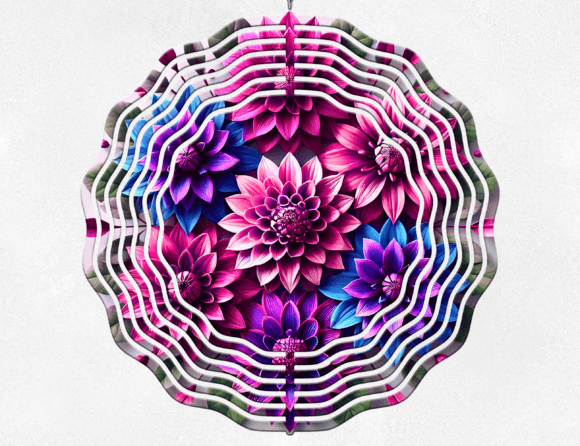
The layout of the Floral Wind Spinner Design relies heavily on radial symmetry, a choice that naturally draws the eye to the center. In the world of embroidery, circular designs can be tricky because they often require careful balancing of stitch direction to avoid puckering. This file presents a clean, 300 dpi PNG format that allows for clear visualization of the negative space and the positive floral elements. It feels like a piece meant to breathe, which is crucial when translating a digital graphic into a tactile medium.
For a crafter or small business owner, the visual personality of a design dictates its marketability. This particular design screams "whimsical boutique." It doesn't feel rigid or corporate; instead, it suggests warmth, nature, and handcrafted care. If you are an Etsy seller looking to populate your shop with items that stand out in a sea of generic listings, this asset offers a distinct aesthetic. It works beautifully as a standalone focal point, whether placed on a chest pocket of a sweatshirt or centered on a large tote bag. The round shape is versatile, fitting naturally onto curved surfaces like caps or rounded objects like pillow covers without feeling forced.
Real-World Application: From Screen to Stitch
I recently tested a similar workflow using a comparable round floral asset to create a custom embroidered tote bag for a local artisan market. The goal was to produce a product that felt personal and elevated, moving beyond simple text-based logos. While the Floral Wind Spinner Design is delivered as a printable graphic rather than a native machine embroidery file, understanding how to bridge that gap is where the real value lies for creative entrepreneurs.
If you have knowledge of sublimation crafts software, you can leverage this file to create vibrant mockups or even direct-to-fabric prints for hybrid projects. However, for those dedicated to traditional machine embroidery design, the path involves digitizing this visual into a functional embroidery file. Imagine taking this concept and rendering it with satin stitches for the outlines to give it that glossy, raised texture, and fill stitches for the petals to add depth. The result would be a stunning embroidered patch or a centerpiece on a kitchen towel that catches the light differently depending on the angle.
In a commercial setting, the versatility of this design cannot be overstated. It fits seamlessly into a collection of custom apparel. Picture a baby onesie featuring a smaller version of this spinner, stitched with soft, pastel threads. Or consider a holiday gift set where the design is used on a decorative apron. The round composition frames the subject perfectly, making it ideal for personalized gifts where the focus should remain on the craft itself. For Etsy sellers and small shop owners, having a design that transitions well from a digital preview to a finished physical product is essential for maintaining brand consistency.
Strategic Placement and Fabric Considerations
Not every surface is a good home for a detailed floral motif. When planning your embroidery project, you must consider the substrate. The Floral Wind Spinner Design thrives on stable, woven fabrics. Cotton canvas for tote bags, heavy-weight linen for pillow covers, or smooth cotton twill for sweatshirts provide the necessary foundation for intricate stitching. These materials allow the thread to sit flush without distorting the underlying weave.
However, caution is required when working with stretchy knits or thin, delicate fabrics. Stretchy material, common in fitted t-shirts or leggings, can cause a dense circular design to pucker if not stabilized correctly. Similarly, on dark fabrics, the contrast of the thread colors becomes paramount. If the original design relies on subtle shading, you may need to adjust your thread colors to ensure visibility. For commercial embroidery on dark garments, a stabilizer with a strong adhesive backing might be necessary to keep the design from shifting during the stitching process.
Curved surfaces like baseball caps present another challenge. While the round shape of the design complements the curvature of a cap, the hoop size limitations often dictate the maximum diameter of the artwork. You must ensure that the design fits within the available sewing area without encroaching on the brim or the seam line. Testing the design in a black and white mockup before committing to expensive fabric is a wise step to verify the silhouette against these constraints.
Design Notes for Professional Results
To achieve a professional finish, the devil is always in the details. Before running a full production batch, I strongly advise testing the design on scrap fabric. This allows you to gauge the stitch density and see how the different stitch types interact. Are the satin stitch edges crisp, or do they look muddy? Do the running stitch areas feel too loose? Adjusting these parameters can make the difference between a mass-produced look and a bespoke, high-quality item.
Stabilizer selection is equally critical. For a design with a significant amount of detail, a cut-away stabilizer often provides the best long-term stability, preventing the embroidery from pulling the fabric over time. This is especially important for items that will undergo frequent washing, such as kitchen towels or children's clothing. If you are creating a handmade product intended to last, investing in proper stabilization pays off in customer satisfaction.
Additionally, always confirm the licensing terms associated with the digital embroidery file or graphic asset. Some licenses restrict commercial use, while others allow you to sell finished goods. As a creative entrepreneur, protecting your business means knowing exactly what rights you possess. If the design includes any tiny lettering or fine lines, inspect them closely at high magnification. These minute details are often the first to get lost in translation or to snag during wear.
Final Thoughts on Value and Versatility
The Floral Wind Spinner Design stands out not just for its aesthetic appeal, but for the opportunities it creates for makers and sellers. It serves as a robust foundation for a variety of craft business items, from nursery decor to boutique branding. Its round form invites creativity, allowing you to experiment with different color palettes and stitch techniques to suit your specific niche.
Whether you are building a portfolio for a new client, restocking your inventory for the holiday season, or simply exploring new avenues in apparel decoration, this design offers a reliable starting point. By approaching it with technical diligence and artistic vision, you can transform a simple graphic into a cherished finished product that customers will love. The key lies in respecting the medium, understanding the limitations of the fabric, and applying the right tools to bring the floral spirit to life.